Center for Microbial Oceanography: Research & Education
Location
University of Hawaii Manoa, Honolulu, Hawaii
Year
2012
Size
30,000 sf
Cost
$16M
Role
Project Manager & Laboratory Architect
Awards
American Society of Interior Designers, Award of Honor, 2012
American Society of Interior Designers, Award of Excellence, 2012
American Institute of Architects - Hawaii Chapter, Award of Merit, 2012
American American Institute of Architects - Hawaii Chapter, Member’s Choice Award, 2011
National Concrete Masonry Association, Award of Excellence - Commercial, 2011
American Society of Landscape Architects, 2012 General Design, Honor Award
Featured in Green Building & Design Magazine
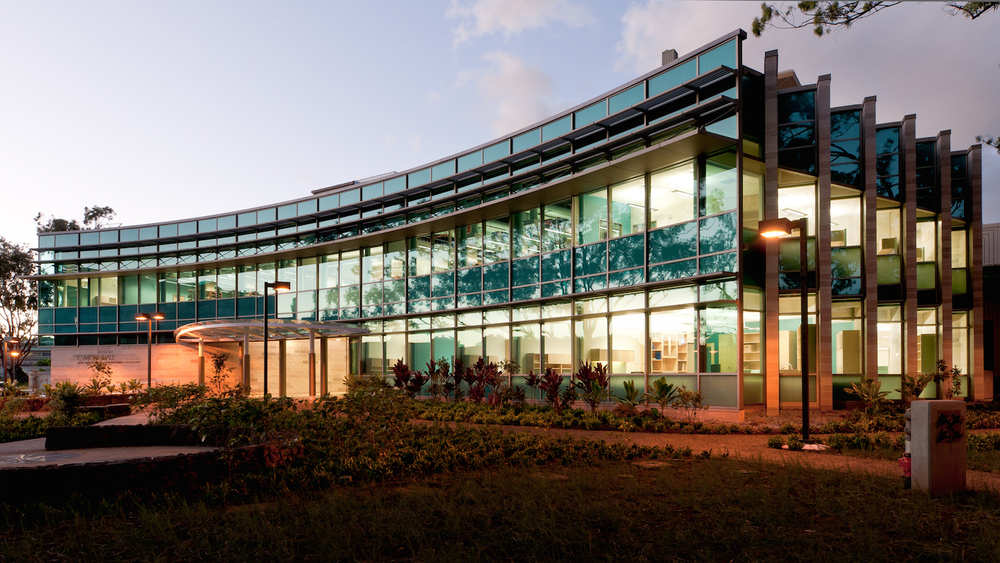
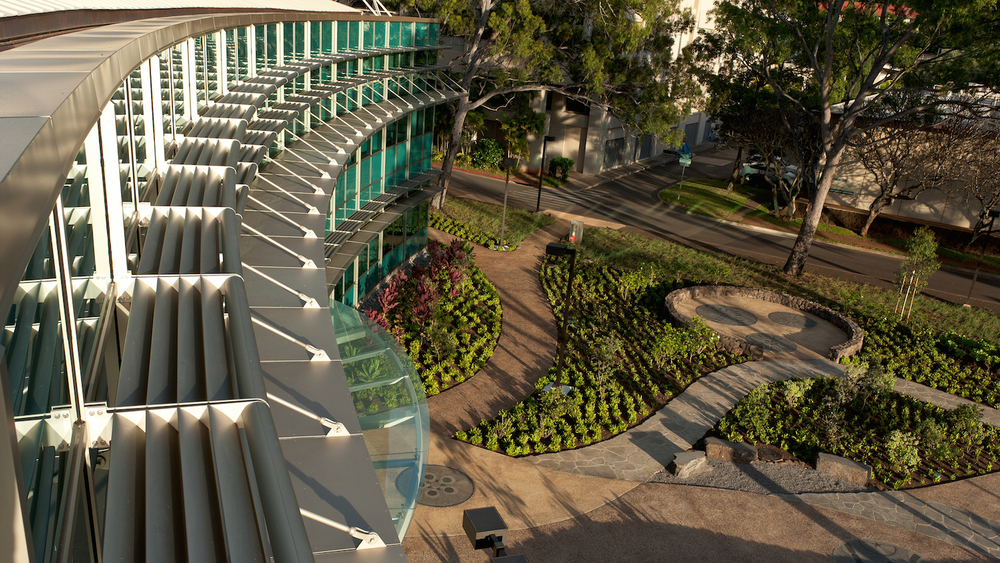
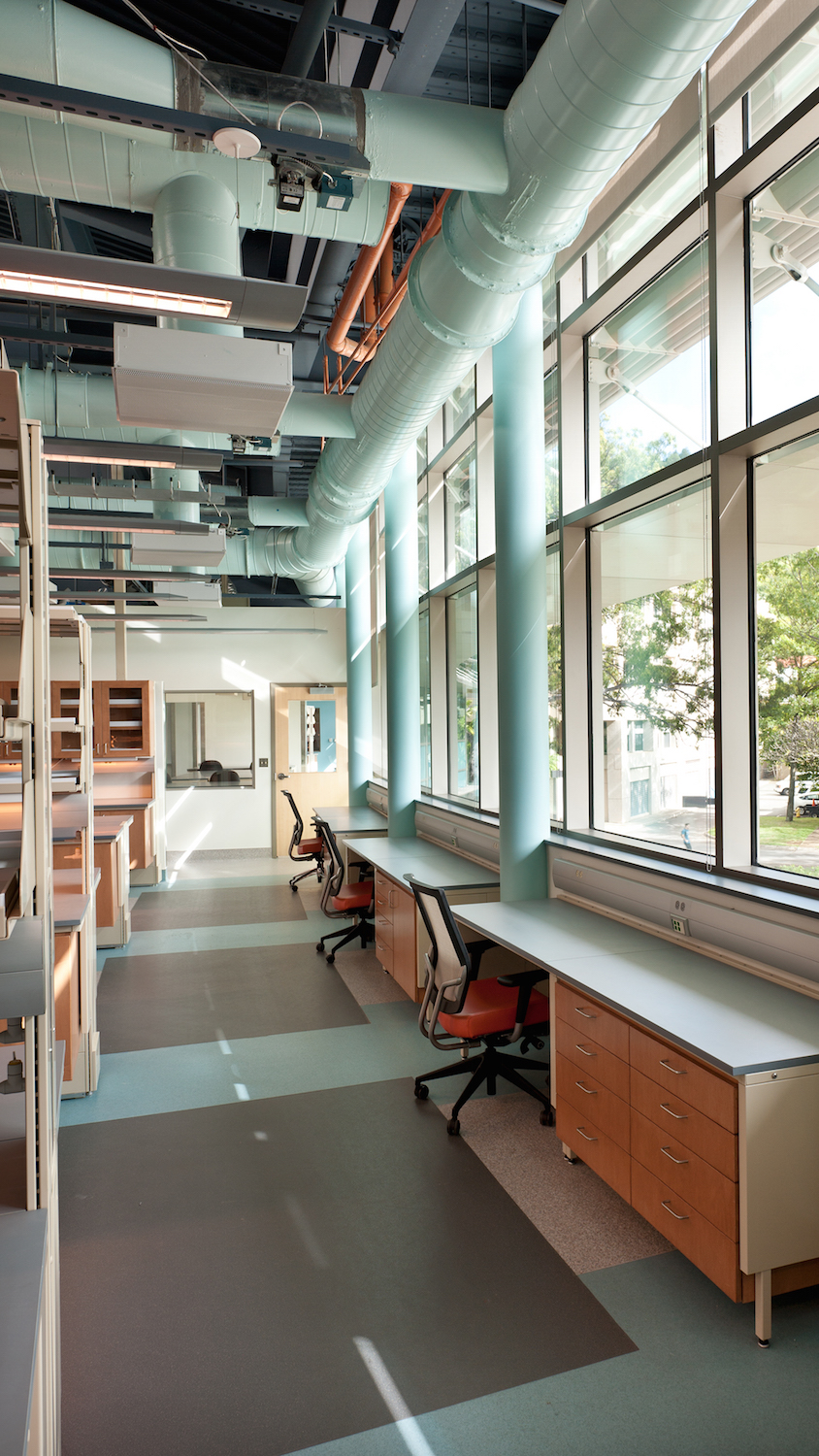
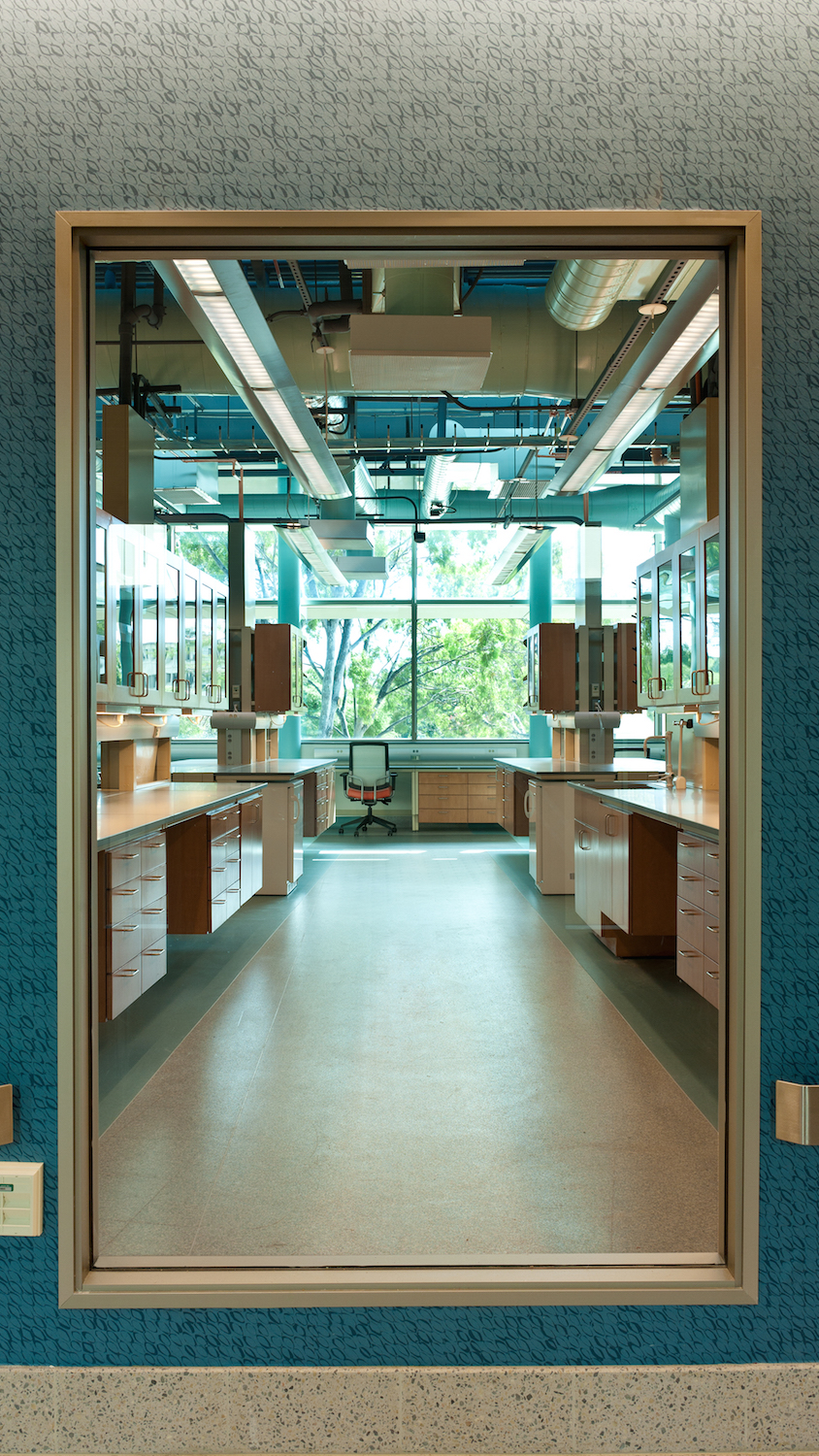
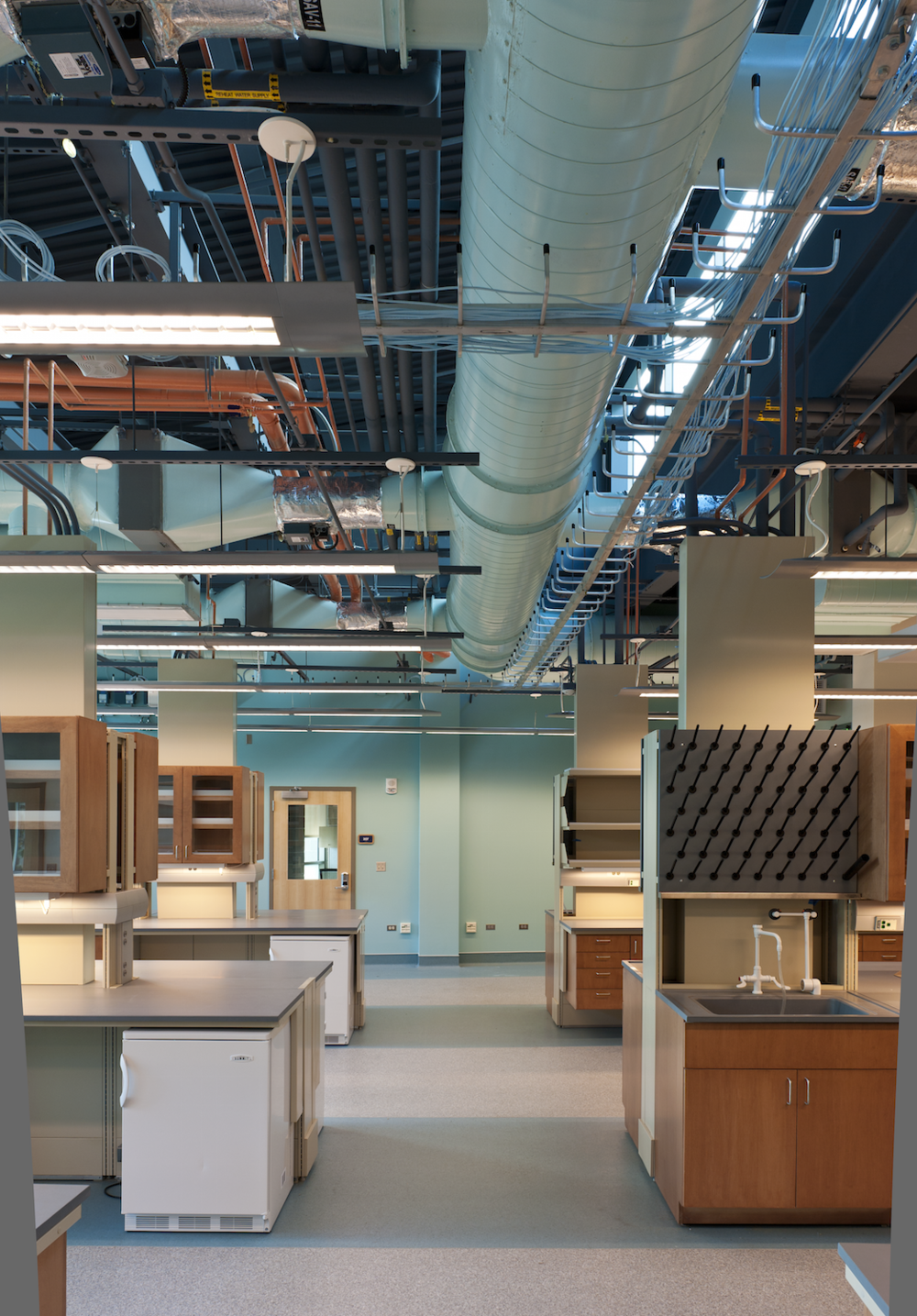
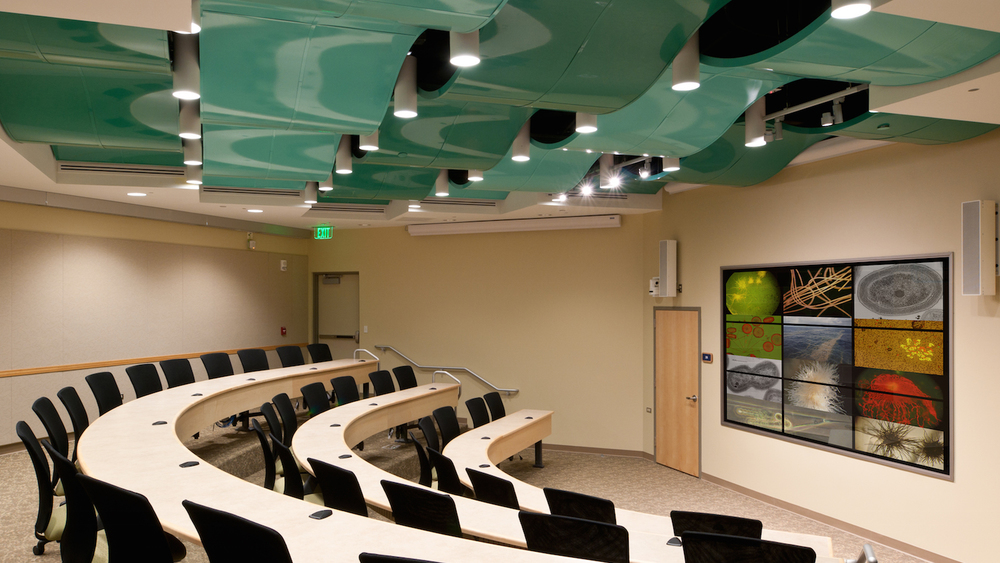
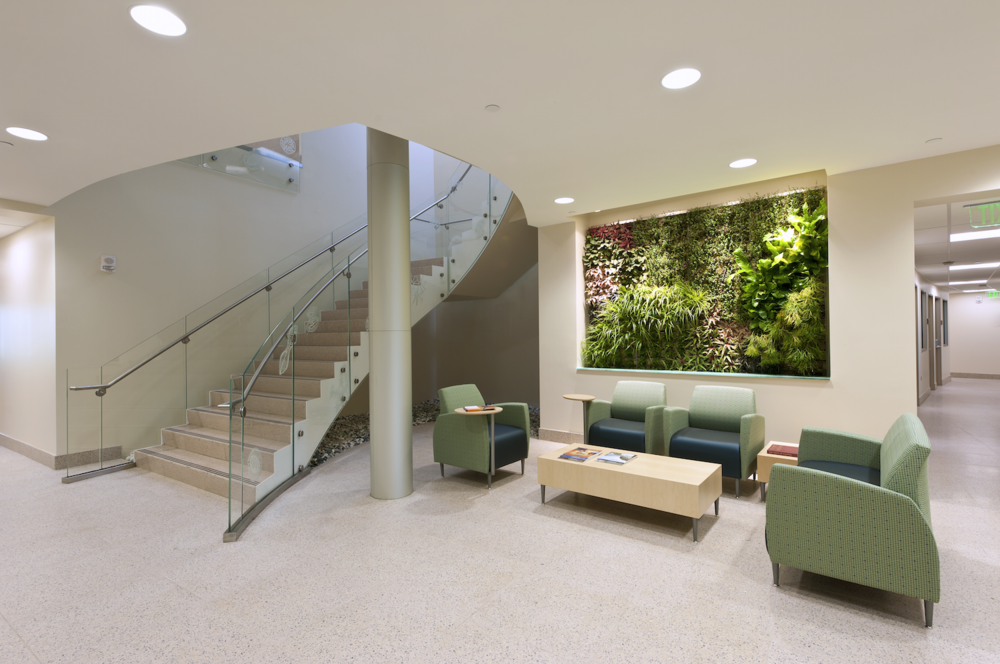
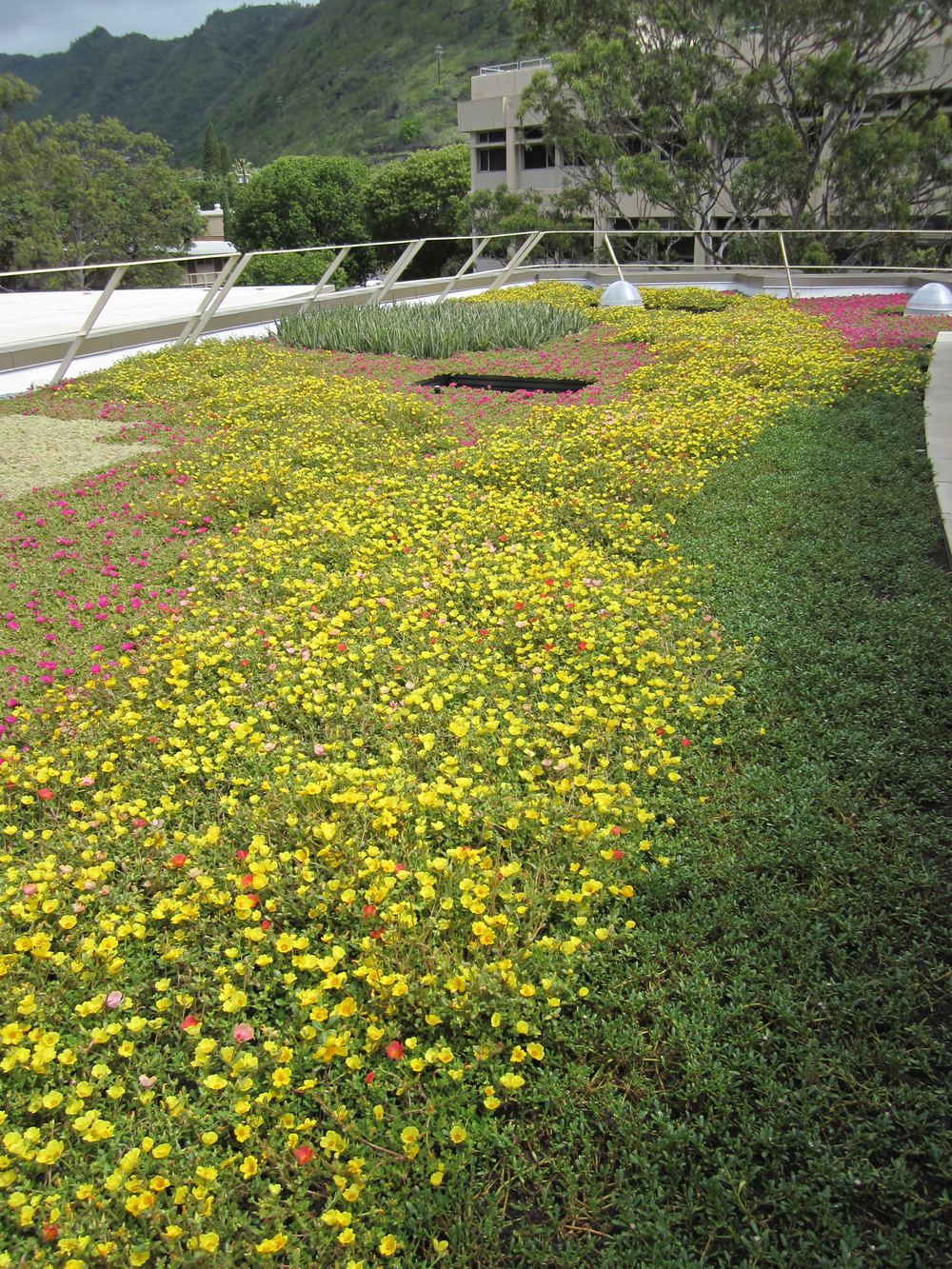
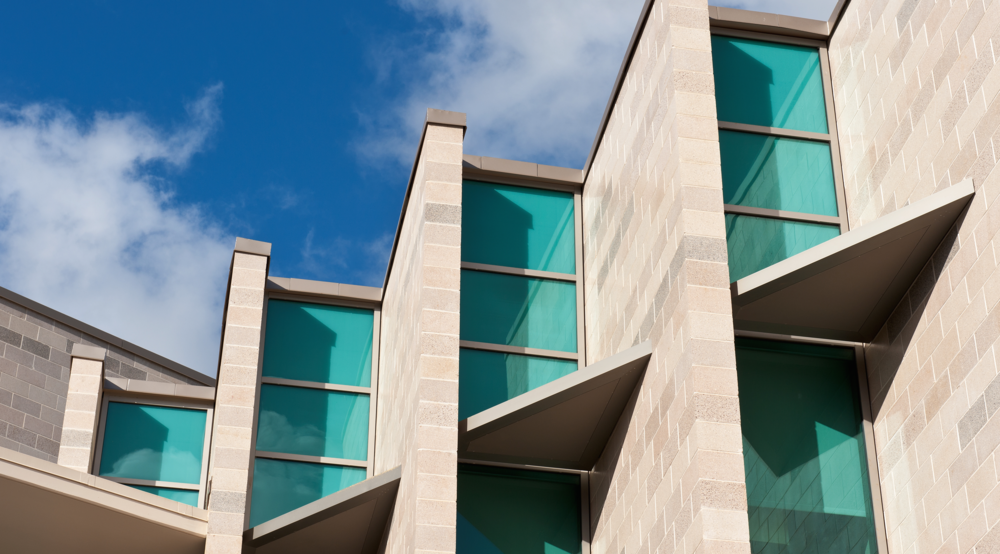
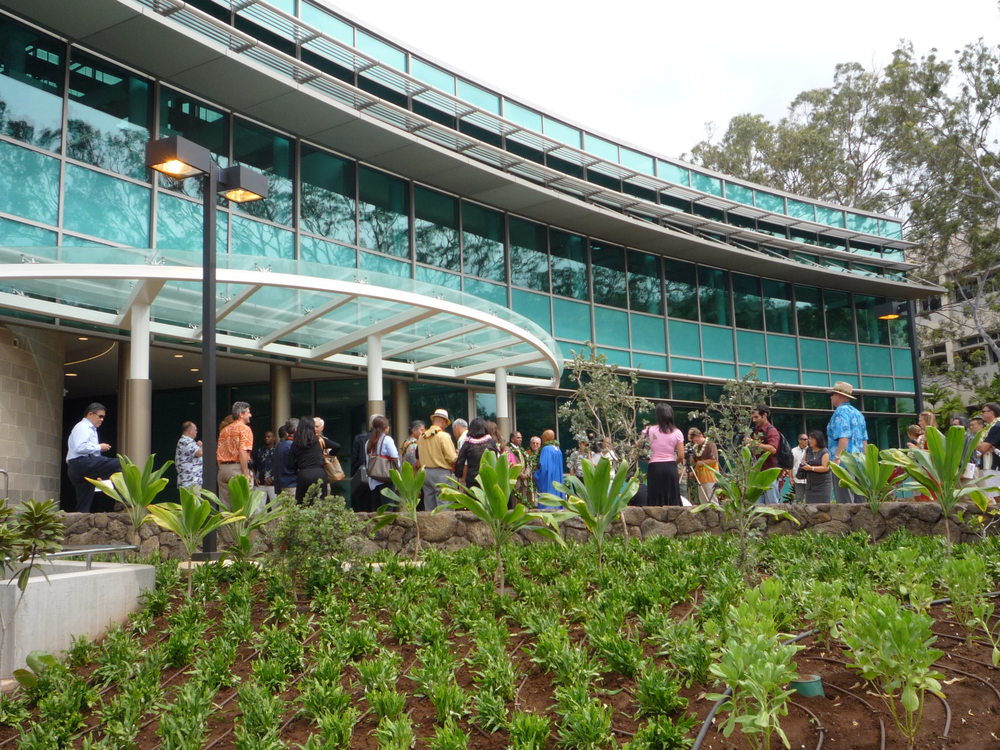
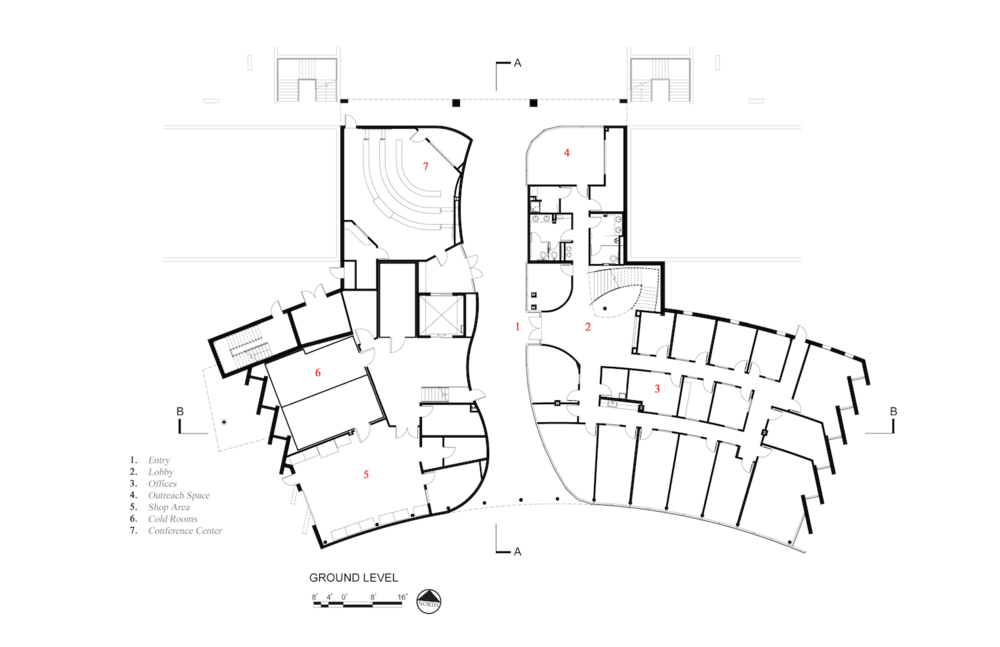
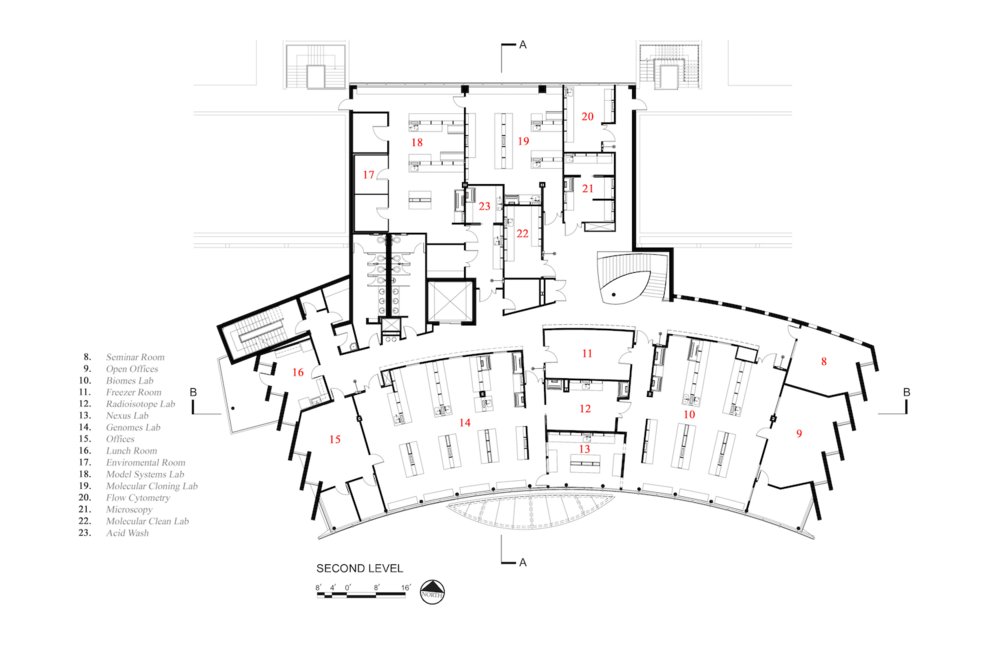
C-MORE Hale is gathering place for research, a vibrant center for oceanographic knowledge that brings together experts who traditionally have not worked together and who’s collaboration will facilitate the creation and dissemination of the role of marine microbes in global habitability. A National Science Foundation sponsored Science and Technology Center, the facility provides state-of-the- art research environments consisting of walk-in freezers and refrigerators, a high-bay lab with a 2 ton overhead crane and direct at-grade access, and large, open collaborative laboratory spaces on the upper floor. Through its open, shared lab design C-MORE embodies the new era of science which emphasizes collaboration and communication across scientific fields and disciplines. C-MORE Hale is the University of Hawaii’s first LEED Platinum project and the first LEED Platinum research laboratory in the state of Hawaii. The building contains research laboratories, laboratory support, offices, a conference center, meeting rooms, and support spaces. The facility incorporates natural day lighting, passive sun shading, energy efficient HVAC systems, a green roof, native drought-tolerant landscaping, and storm water retention chambers. A unique approach to air-changes and occupancy sensors will greatly reduce the building’s energy consumption; C-MORE Hale will use over 50% less energy than a conventional building of its type. The building also captures its oceanographic focus and the beauty of marine organisms through delightfully unexpected details like a green wall representing the Challenger Deep that greets visitors at the entry, and in abstracted microbes embedded in the landscape paths and etched on the glass railing of a central winding staircase.